
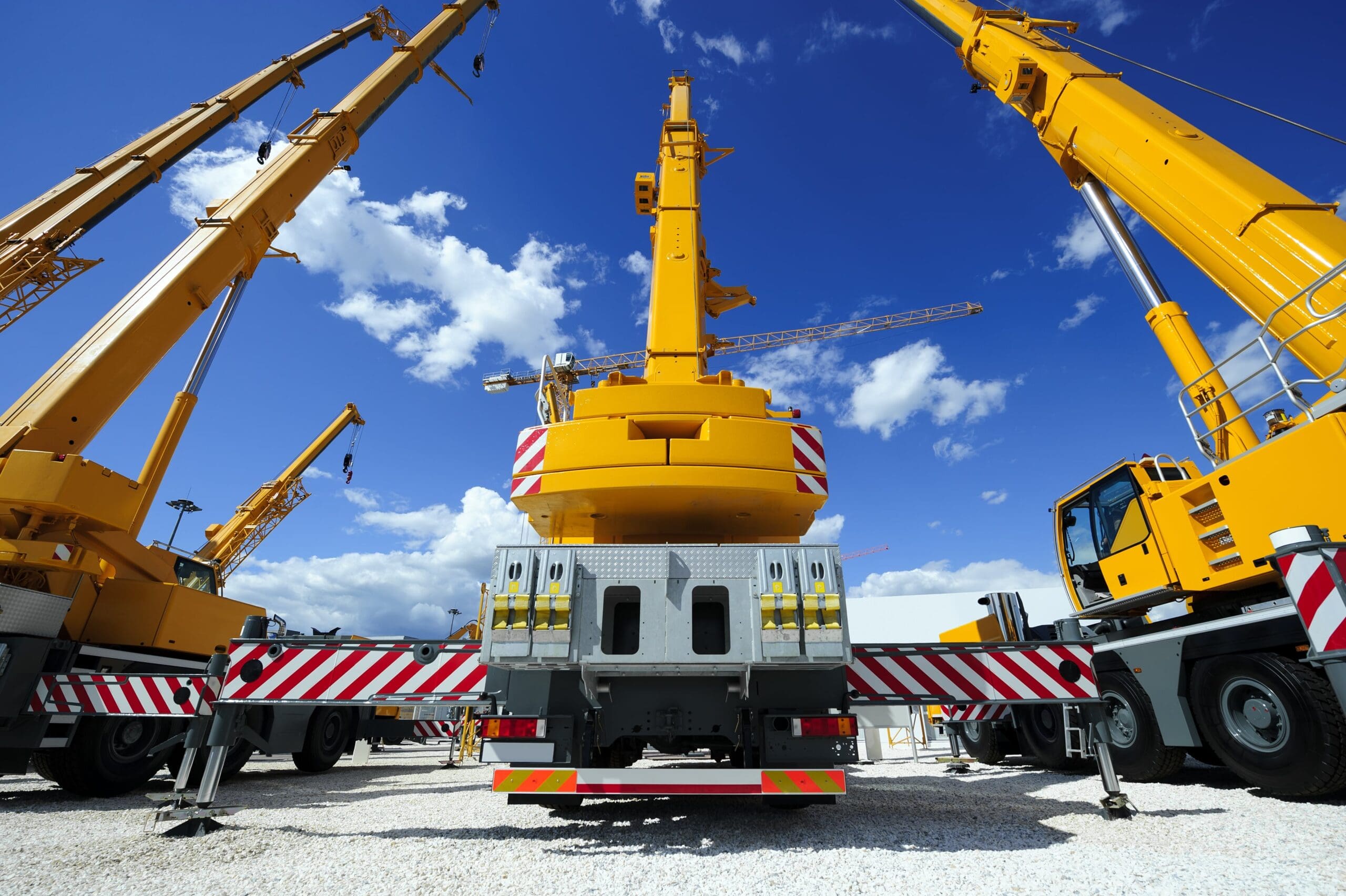
In today’s global industrial landscape, moving oversized and extremely heavy cargo is no ordinary task. From wind turbines and transformers to offshore oil rigs and massive construction components, these shipments require specialized expertise. This is where heavy lift operations come into play—an essential segment of logistics that ensures large-scale projects are completed safely, efficiently, and on time.
What is a Heavy Lift Operation?
A heavy lift operation refers to the planning, coordination, transportation, and installation of extremely heavy or oversized cargo that exceeds standard shipping limits. These loads are often indivisible and require custom handling, specialized equipment, and precise engineering.
Typically, heavy lift cargo includes:
- Industrial machinery and generators
- Wind turbine components
- Oil & gas equipment
- Bridge sections and infrastructure materials
- Large construction modules
Such cargo often weighs over 100 tons or exceeds standard dimensions, making conventional transport methods inadequate.
Why Heavy Lift Operations Are Critical
Heavy lift operations are vital for industries such as construction, energy, mining, and infrastructure development. Without them, it would be impossible to move the massive components required for modern projects.
Unlike regular freight, heavy lift logistics involves:
- Complex route planning due to size restrictions
- Special permits and escorts for road transport
- High safety risks requiring strict compliance
- Customized lifting and rigging techniques
Every operation must be carefully engineered to avoid delays, damage, or safety incidents.
Key Components of a Heavy Lift Operation
1. Detailed Planning and Engineering
A successful heavy lift begins long before the cargo is moved. Engineers conduct feasibility studies, route surveys, and structural analyses to determine the safest and most efficient method of transport.
Advanced tools such as 3D simulations and digital route mapping are often used to identify obstacles like bridges, tunnels, and terrain limitations.
2. Specialized Equipment
Heavy lift operations rely on advanced machinery, including:
- Mobile cranes (20–500 tons capacity)
- Self-propelled modular transporters (SPMTs)
- Hydraulic trailers and gantry systems
- Heavy-lift vessels and barges
These tools are designed to distribute weight evenly and provide precise control during lifting and transportation.
3. Multimodal Transportation
Depending on the project, heavy cargo may be transported via:
- Road: Using modular trailers and escort vehicles
- Sea: Using heavy-lift ships or barges
- Air: Using specialized cargo aircraft for urgent deliveries
Each mode requires coordination to ensure seamless movement from origin to destination.
4. Safety and Compliance
Safety is the backbone of any heavy lift operation. Strict adherence to local and international regulations is mandatory.
Each operation typically includes:
- Risk assessments
- Engineered lift plans
- Certified equipment inspections
- Trained personnel for rigging and handling
Challenges in Heavy Lift Operations
Handling oversized cargo comes with unique challenges, including:
- Weight Constraints: Exceeding port and crane capacities
- Dimensional Limitations: Cargo too large for standard containers
- Infrastructure Restrictions: Roads, bridges, and tunnels may not support the load
- Weather Conditions: Wind and environmental factors can impact lifting operations
Failure to address these challenges can result in costly delays and project disruptions.
Role of Expert Logistics Providers
Professional logistics companies like Trans Global (S) Pte Ltd specialize in managing these complexities. With years of experience, they provide end-to-end heavy lift solutions tailored to specific project needs.
Their services typically include:
- Engineering and lift planning
- Equipment mobilization
- Route surveys and permits
- Cargo handling and installation
- Real-time project coordination
Companies such as Trans Global emphasize customized solutions, safety compliance, and advanced equipment, ensuring that even the most challenging cargo is handled efficiently.
Applications Across Industries
Heavy lift operations play a crucial role in several sectors:
Energy and Power
Transporting turbines, generators, and renewable energy components like wind blades.
Oil and Gas
Handling offshore platforms, drilling rigs, and refinery equipment.
Construction and Infrastructure
Moving bridge sections, steel structures, and large construction machinery.
Manufacturing
Relocating factory equipment and assembling modular units.
These industries depend heavily on precision logistics to maintain project timelines and operational efficiency.
Technology Transforming Heavy Lift Operations
Modern heavy lift logistics is evolving rapidly with technological advancements:
- Digital tracking systems for real-time visibility
- Automated lifting equipment for precision control
- AI-driven route optimization
- Remote monitoring for safety and performance
These innovations are making heavy lift operations more efficient, reliable, and safer than ever before.
FAQ – Heavy Lift Operations: Powering Complex Logistics with Precision and Safety
1. What are heavy lift operations?
Heavy lift operations involve the planning, lifting, transportation, and installation of oversized or extremely heavy cargo that exceeds standard shipping or lifting limits. These projects require specialized equipment, engineered lift plans, and experienced logistics professionals to ensure safe and efficient execution.
2. What types of cargo require heavy lift operations?
Heavy lift services are commonly used for transporting industrial machinery, generators, transformers, wind turbine components, offshore oil and gas equipment, bridge sections, construction modules, and other oversized or high-value project cargo.
3. Which industries benefit from heavy lift logistics services?
Heavy lift operations support industries such as construction, power generation, oil and gas, marine, manufacturing, mining, infrastructure development, and renewable energy, where large and heavy equipment must be transported and installed safely.
4. What heavy lift services does Trans Global (S) Pte Ltd provide?
Trans Global (S) Pte Ltd offers end-to-end heavy lift solutions, including engineering studies, lift planning, crane lifting, rigging, route surveys, permit management, heavy haul transportation, project cargo handling, freight forwarding, and final equipment installation.
5. What equipment is used during heavy lift operations?
Depending on the project’s requirements, Trans Global (S) Pte Ltd utilizes mobile cranes, crawler cranes, hydraulic trailers, self-propelled modular transporters (SPMTs), hydraulic gantries, jacking systems, and other specialized heavy-lifting equipment to move oversized cargo safely and efficiently.
6. How does Trans Global (S) Pte Ltd ensure safety during heavy lift operations?
Every heavy lift project begins with detailed engineering studies, site inspections, route surveys, risk assessments, lift planning, and equipment inspections. Certified operators and rigging specialists follow strict safety procedures and international best practices throughout the lifting and transportation process.
7. Can Trans Global (S) Pte Ltd handle international heavy lift and project cargo?
Yes. Trans Global (S) Pte Ltd provides international heavy lift logistics through integrated sea freight, air freight, land transportation, customs clearance, multimodal transport, and project cargo management, ensuring seamless delivery across global destinations.
8. Why choose Trans Global (S) Pte Ltd for heavy lift operations in Singapore?
Trans Global (S) Pte Ltd has extensive expertise in heavy equipment logistics, engineered lifting solutions, project cargo management, and international freight forwarding. With advanced lifting equipment, customized project planning, experienced specialists, and a strong commitment to safety, the company delivers reliable, efficient, and cost-effective heavy lift solutions for even the most complex logistics projects.
Conclusion
Heavy lift operations are the backbone of large-scale industrial and infrastructure projects. They combine engineering expertise, advanced equipment, and meticulous planning to move some of the world’s most challenging cargo.
As industries continue to grow and projects become more complex, the demand for specialized heavy lift services will only increase. Partnering with experienced logistics providers ensures that these operations are executed with precision, safety, and efficiency.
Whether it’s relocating a massive transformer or installing offshore equipment, heavy lift operations make the impossible possible—driving progress across industries worldwide.