
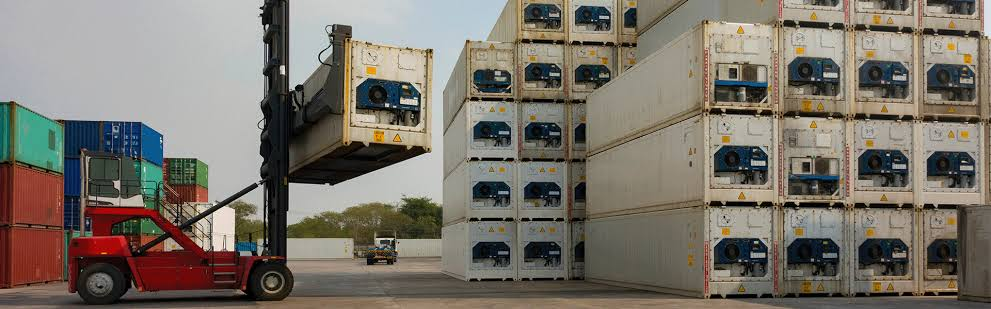
When products are sensitive to temperature changes, standard transportation may not provide the level of protection required. Temperature-Controlled Air Freight Singapore offers a reliable solution for businesses transporting temperature-sensitive cargo that requires carefully managed conditions throughout its journey.
Temperature-sensitive shipments can be affected by excessive heat, cold, humidity, or fluctuations during handling and transportation. A temporary exposure outside the required range can potentially affect product quality, performance, shelf life, or usability. For this reason, temperature-controlled air freight requires careful planning from pickup through airport handling, flight transportation, customs procedures, and final delivery.
Singapore’s position as a major international logistics hub makes it an important gateway for temperature-sensitive cargo moving between Asia and global markets. Businesses can benefit from air transportation when speed and controlled handling are important.
Trans Global (S) Pte Ltd provides international freight forwarding and logistics solutions for businesses with specialized cargo requirements. By coordinating air freight with land transportation, warehousing, customs-related support, and other logistics services, Trans Global (S) Pte Ltd can help businesses develop an efficient transportation plan for temperature-sensitive shipments.
What Is Temperature-Controlled Air Freight?
Temperature-controlled air freight refers to the transportation of cargo using logistics processes and equipment designed to help maintain a specified temperature range during shipment.
Depending on the product, temperature requirements may vary. Some cargo may need chilled conditions, while other products may require frozen or controlled ambient environments.
Temperature-controlled logistics can involve:
- Temperature-controlled packaging
- Thermal insulation
- Refrigerated storage
- Temperature monitoring
- Specialized handling procedures
- Priority cargo handling
- Controlled transportation
- Airport storage
- Door-to-door delivery coordination
The exact solution depends on the product’s temperature requirements, packaging specifications, transit time, destination, and handling conditions.
Why Temperature Control Matters
Temperature-sensitive products can be vulnerable to environmental conditions during transportation. Even when the main air transportation stage is carefully planned, cargo can potentially encounter temperature variations during loading, unloading, storage, or ground transportation.
Effective temperature management helps businesses:
Protect Product Quality
Maintaining appropriate conditions can help preserve the intended quality and condition of temperature-sensitive products.
Reduce Cargo Loss
Careful handling and monitoring can reduce the risk associated with temperature excursions.
Support Regulatory Requirements
Certain products may have specific transportation and handling requirements that need to be considered during logistics planning.
Improve Supply Chain Reliability
A well-planned cold chain helps businesses maintain predictable movement from origin to destination.
Meet Delivery Deadlines
Air freight can provide faster international transportation for products that cannot tolerate lengthy transit periods.
What Types of Cargo Require Temperature-Controlled Air Freight?
Temperature-controlled transportation may be required for various products and industries.
Pharmaceutical Products
Certain pharmaceutical products and healthcare-related cargo may require carefully controlled transportation conditions.
Biotechnology Products
Biological materials and biotechnology-related products can have specific environmental requirements.
Medical Products
Some medical products and temperature-sensitive healthcare supplies may benefit from controlled transportation.
Perishable Goods
Certain food products, fresh produce, specialty foods, and other perishables can require temperature-managed transportation.
Laboratory Materials
Some laboratory products and research materials may have specific temperature requirements.
Chemicals
Certain temperature-sensitive chemicals may require specialized handling and transportation according to their characteristics and applicable regulations.
Temperature-Controlled Air Freight Process
A successful shipment requires coordination across multiple stages.
1. Cargo Assessment
The logistics provider reviews the cargo type, temperature range, dimensions, weight, packaging, origin, destination, and delivery requirements.
2. Temperature Requirement Identification
The required temperature range and acceptable exposure limits are established according to the cargo’s specifications.
3. Packaging Selection
Appropriate thermal packaging or temperature-control methods are selected based on the shipment requirements.
4. Pre-Transportation Preparation
Cargo is prepared and packed according to the planned transportation method.
5. Temperature Monitoring
Where required, monitoring devices can be used to record temperature conditions during transportation.
6. Controlled Handling
Cargo should be handled efficiently during pickup, airport processing, loading, unloading, and delivery.
7. Air Transportation
The shipment is transported according to the planned flight schedule and logistics arrangement.
8. Customs and Destination Handling
Required customs and documentation procedures are coordinated at the destination.
9. Final Delivery
Temperature-sensitive cargo is transported to its final destination using an appropriate delivery solution.
Why Choose Trans Global (S) Pte Ltd?
Trans Global (S) Pte Ltd provides integrated logistics support for businesses that require specialized transportation solutions.
Customized Freight Planning
Every temperature-sensitive shipment has different requirements. Cargo characteristics, temperature range, packaging, destination, and urgency should all be considered when planning transportation.
Trans Global (S) Pte Ltd can help coordinate logistics according to the specific needs of the shipment.
Air Freight Services
Air transportation provides a practical option when cargo needs to reach an international destination within a shorter timeframe.
Land Transportation
The cold chain does not end at the airport. Cargo may require controlled transportation between the supplier, warehouse, airport, and final delivery location.
Coordinating air freight with land transportation can help create a smoother door-to-door logistics process.
Warehousing Support
Some temperature-sensitive shipments may require temporary storage before or after air transportation. Appropriate warehousing arrangements can form an important part of the overall logistics plan.
International Freight Forwarding
International shipments involve multiple parties, including airlines, ground handlers, customs authorities, warehouses, and delivery providers. Professional freight forwarding helps coordinate these stages.
Temperature-Controlled Air Freight vs Standard Air Freight
| Feature | Temperature-Controlled Air Freight | Standard Air Freight |
| Cargo Type | Temperature-sensitive products | General cargo |
| Temperature Management | Required | Usually not required |
| Packaging | Specialized where necessary | Standard packaging |
| Monitoring | May be required | Generally standard tracking |
| Handling | Controlled/specialized | Standard |
| Typical Use | Pharmaceuticals, perishables, sensitive products | General commercial cargo |
Temperature-controlled transportation is generally selected when cargo specifications make environmental control important.
Benefits of Temperature-Controlled Air Freight
Faster Transit
Air freight can reduce transportation time compared with many ocean freight options.
Temperature Protection
Specialized packaging, storage, handling, and monitoring can help maintain required conditions.
Global Reach
Businesses in Singapore can connect temperature-sensitive products with international markets.
Better Product Integrity
Controlled logistics can help reduce the risk of temperature-related deterioration.
Supply Chain Visibility
Tracking and monitoring can provide better visibility into shipment progress and, where available, temperature conditions.
Flexible Logistics
Temperature-controlled air freight can be combined with warehousing, customs support, land transportation, and final delivery.
How to Make Temperature-Controlled Air Freight More Efficient
Select Appropriate Packaging
The packaging should be matched to the product, required temperature range, expected transit time, and external conditions.
Minimize Unnecessary Transit Time
Efficient routing and coordinated handling can help reduce the period during which sensitive cargo is in transit.
Plan Customs Documentation
Accurate documentation can help prevent avoidable delays at origin or destination.
Coordinate Ground Transportation
Airport-to-warehouse or airport-to-customer transportation should be planned in advance.
Monitor Temperature Where Required
Temperature data loggers and other monitoring solutions can provide useful information about shipment conditions.
Work With an Experienced Logistics Provider
Specialized cargo requires coordination between multiple transportation and handling stages. An experienced freight forwarder can simplify this process.
Temperature-Controlled Logistics for Singapore Businesses
Singapore-based businesses may require temperature-controlled air freight for both imports and exports.
Potential applications include:
- Exporting pharmaceutical products
- Importing temperature-sensitive healthcare products
- Transporting laboratory materials
- Shipping specialty food products
- Moving sensitive biological materials
- Delivering temperature-sensitive industrial products
For international shipments, the logistics plan should account for both origin and destination requirements.
Frequently Asked Questions
What is temperature-controlled air freight?
Temperature-controlled air freight is the transportation of temperature-sensitive cargo using specialized packaging, handling, storage, monitoring, and transportation processes designed to maintain specified environmental conditions.
What products need temperature-controlled air freight?
Depending on their specifications, pharmaceuticals, biological materials, medical products, perishables, laboratory materials, and certain chemicals may require temperature-controlled transportation.
Is temperature-controlled air freight faster than sea freight?
Air freight is generally selected when shorter transit times are important. However, the actual delivery time depends on routing, flight schedules, handling, customs procedures, and final delivery.
Does Trans Global (S) Pte Ltd provide air freight services?
Yes. Trans Global (S) Pte Ltd provides air freight and international logistics solutions and can coordinate air transportation with other supply chain requirements.
Can temperature-controlled cargo be delivered door-to-door?
Yes, where suitable services and handling arrangements are available. A door-to-door solution can combine air freight, ground transportation, customs procedures, warehousing, and final delivery.
Why is packaging important for temperature-sensitive cargo?
Packaging can provide thermal protection and help maintain the required conditions during transportation. The appropriate packaging depends on the product, temperature range, transit duration, and shipment requirements.
Conclusion
Temperature-Controlled Air Freight Singapore provides an important logistics solution for businesses transporting products that require controlled environmental conditions. From pharmaceuticals and healthcare products to perishables, laboratory materials, and other sensitive cargo, careful temperature management can help protect shipment quality throughout the transportation process.
Successful cold chain logistics requires more than an airline booking. Packaging, temperature monitoring, airport handling, customs procedures, warehousing, ground transportation, and final delivery all need to work together.
Trans Global (S) Pte Ltd provides integrated freight forwarding and logistics solutions covering air freight, ocean freight, land transportation, warehousing, project cargo, and specialized equipment logistics. By coordinating the different stages of transportation, Trans Global (S) Pte Ltd helps businesses develop practical logistics solutions for complex and time-sensitive shipments.