
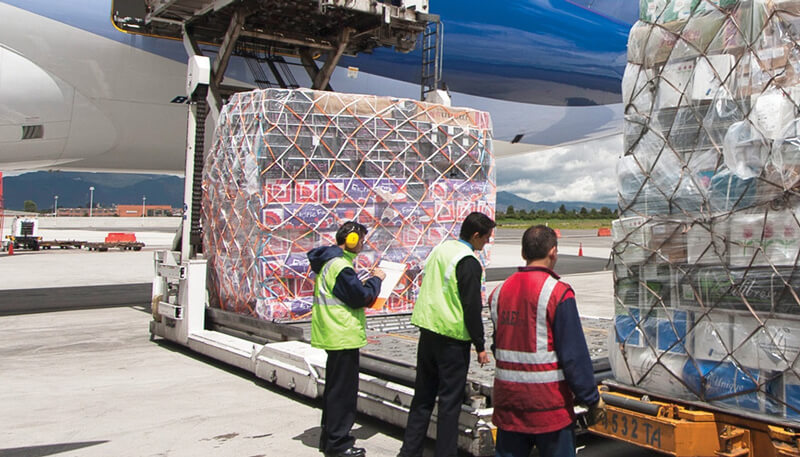
Perishable Air Freight refers to the transportation of temperature-sensitive and time-critical goods by air. These shipments require careful handling, suitable packaging, controlled storage, accurate documentation, and efficient coordination to maintain product quality throughout the journey.
Singapore is a major international logistics and aviation hub, making air freight an important option for businesses moving perishable products across regional and global markets. For companies that need speed and dependable coordination, choosing an experienced logistics partner can help reduce unnecessary delays and handling risks.
Trans Global (S) Pte Ltd provides international freight forwarding and logistics solutions designed to support different cargo requirements, including time-sensitive and specialized shipments.
Why Choose Air Freight for Perishable Goods?
Perishable products can lose their quality when exposed to unsuitable temperatures, excessive delays, or improper handling. Compared with slower transportation methods, air freight can significantly reduce transit time, making it suitable for products with limited shelf lives.
Businesses may consider perishable air freight Singapore services when they need:
- Faster international transportation
- Efficient airport-to-airport cargo movement
- Reduced transit time for sensitive products
- Better coordination between multiple logistics stages
- Reliable documentation and shipment planning
- Support for urgent or time-critical deliveries
Air freight can be particularly useful when maintaining product freshness and meeting strict delivery schedules are important.
What Types of Perishable Goods Can Be Shipped by Air?
Different industries rely on air freight to move products that require fast transportation. Depending on airline and destination requirements, common categories can include:
- Fresh fruits and vegetables
- Seafood and fresh fish
- Meat and poultry products
- Dairy and food products
- Flowers and plants
- Fresh bakery products
- Pharmaceuticals and certain healthcare products
- Temperature-sensitive ingredients
- Specialty food products
Every shipment has different handling requirements. Packaging, temperature specifications, destination regulations, airline acceptance rules, and documentation should be reviewed before transportation.
How Does Perishable Air Freight Singapore Work?
A successful perishable shipment requires careful planning from pickup to final delivery. The typical process includes several important stages.
1. Shipment Assessment
The logistics provider first reviews the cargo type, quantity, dimensions, temperature requirements, origin, destination, and delivery deadline. This helps determine the most suitable transportation arrangement.
2. Proper Packaging
Perishable cargo needs packaging that is appropriate for the product and expected transit conditions. Depending on the shipment, insulated packaging, cooling materials, or specialized containers may be required.
3. Pickup and Transportation
Cargo is collected from the supplier or designated location and transported to the airport. Efficient coordination helps minimize unnecessary waiting and handling time.
4. Documentation and Customs
International perishable shipments require accurate commercial and shipping documentation. Customs requirements, permits, health certificates, and other regulatory documents may apply depending on the product and destination.
5. Air Transportation
The cargo is booked with an appropriate airline service based on availability, routing, cargo requirements, and delivery schedule.
6. Destination Handling and Delivery
After arrival, the shipment goes through destination procedures before being delivered to the consignee. Proper coordination between the freight forwarder, airline, customs authorities, and local transport provider is essential.
Temperature Control: A Critical Part of Perishable Logistics
Temperature management is one of the most important considerations when shipping perishable goods. A product can be exposed to changing conditions during pickup, airport handling, loading, transit, customs clearance, and final delivery.
A well-planned shipment should therefore consider:
- Required temperature range
- Suitable packaging
- Cooling or insulation requirements
- Transit duration
- Airport handling conditions
- Customs clearance time
- Delivery arrangements
- Monitoring requirements where applicable
The objective is to maintain the cargo within its required handling conditions for as much of the journey as possible.
Why Businesses Choose Trans Global (S) Pte Ltd
Trans Global (S) Pte Ltd supports international freight forwarding, air freight, ocean freight, land transportation, warehousing, customs-related coordination, and project cargo requirements.
For businesses handling time-sensitive cargo, an experienced freight forwarding partner can simplify shipment coordination by bringing different logistics activities together. From transportation planning and documentation to cargo movement and delivery coordination, a structured approach can improve visibility and reduce avoidable delays.
Trans Global (S) Pte Ltd can tailor logistics arrangements according to the shipment’s origin, destination, cargo characteristics, and transportation requirements.
Benefits of Perishable Air Freight Singapore
Using air freight for perishable cargo can provide several practical advantages:
Faster Transit
Air transportation generally offers shorter transit times than ocean freight, which is valuable for goods with limited shelf life.
Global Connectivity
Singapore’s international connectivity provides businesses with access to numerous regional and global markets.
Reduced Time in Transit
Shorter transportation periods can help businesses manage time-sensitive inventory more effectively.
Better Delivery Planning
Scheduled air freight services allow companies to plan shipments around production, sales, and customer delivery requirements.
Support for Urgent Shipments
Air freight can be a suitable option when a shipment needs to reach its destination quickly.
How to Reduce Risks When Shipping Perishable Cargo
Businesses can improve shipment reliability by planning well before cargo reaches the airport.
Consider the following:
- Select suitable packaging based on the product and transit duration.
- Confirm airline requirements before booking.
- Prepare documentation early to avoid customs-related delays.
- Clearly communicate temperature requirements to all parties handling the cargo.
- Choose an appropriate flight schedule with practical transit times.
- Plan destination delivery in advance so cargo does not remain unnecessarily at the airport.
- Work with an experienced freight forwarding partner familiar with international cargo procedures.
Perishable Air Freight vs Ocean Freight
| Factor | Air Freight | Ocean Freight |
| Transit Time | Faster | Slower |
| Best For | Time-sensitive goods | Larger, less urgent shipments |
| Shelf-Life Products | Highly suitable | Requires careful planning |
| Cost | Generally higher | Generally lower |
| Shipment Speed | Very fast | Comparatively slower |
| Global Reach | Extensive | Extensive |
The right option depends on product characteristics, urgency, shipment size, budget, and destination.
Frequently Asked Questions
What is perishable air freight?
Perishable air freight is the transportation of goods that can deteriorate or lose quality over time using air cargo services. Such shipments require appropriate packaging, handling, documentation, and transportation planning.
Why is air freight suitable for perishable products?
Air freight offers shorter transit times, which can be valuable for products with limited shelf life or strict delivery schedules.
What products can be shipped as perishable air cargo?
Fresh food, seafood, fruits, vegetables, flowers, certain pharmaceuticals, and other time- or temperature-sensitive products may be transported by air, subject to airline and destination regulations.
How is temperature maintained during air freight?
Temperature management depends on the product and shipment requirements. Appropriate packaging, cooling solutions, handling procedures, and suitable transportation arrangements can help protect temperature-sensitive cargo.
How can I choose a perishable air freight service in Singapore?
Consider the provider’s freight forwarding experience, international network, handling capabilities, documentation support, transportation options, and ability to coordinate shipments according to your cargo requirements.
Conclusion
Perishable goods require more than simply fast transportation. They need careful planning, appropriate packaging, efficient documentation, coordinated handling, and reliable delivery arrangements. Perishable air freight Singapore services can provide businesses with a practical solution for moving time-sensitive products across regional and international markets.
With its international freight forwarding and logistics capabilities, Trans Global (S) Pte Ltd can help businesses coordinate air freight and related logistics requirements according to their shipment needs. A well-planned logistics strategy can help businesses reduce delays, protect cargo quality, and improve supply chain efficiency.