
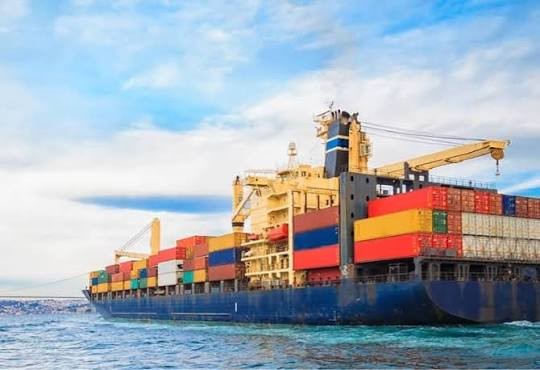
For businesses transporting large quantities of goods internationally, Full Container Load Shipping Singapore offers a practical and efficient way to move cargo by sea. Commonly known as FCL shipping, Full Container Load allows a business to use an entire shipping container for its cargo rather than sharing container space with other shipments.
FCL is particularly suitable for manufacturers, exporters, importers, distributors, and companies transporting industrial equipment or large-volume commercial goods. It provides greater control over container space, cargo handling, and shipment scheduling.
Singapore’s strategic location and extensive maritime connectivity make it a major hub for international container shipping. Businesses can use Singapore as a gateway to markets across Asia, Europe, the Middle East, Australia, and other global destinations.
However, successful FCL shipping requires more than booking a container. Businesses need to consider container selection, cargo preparation, documentation, customs procedures, port handling, inland transportation, and final delivery.
Trans Global (S) Pte Ltd provides comprehensive FCL and ocean freight solutions designed to support businesses with different cargo requirements. With services covering freight forwarding, sea freight, land transportation, warehousing, customs-related support, and project cargo, Trans Global (S) Pte Ltd provides an integrated approach to international shipping.
What Is Full Container Load Shipping?
Full Container Load (FCL) is a sea freight shipping method where one customer uses an entire container for their shipment.
The container does not necessarily have to be physically filled to 100% capacity. Instead, FCL means the container is allocated to a single shipper.
FCL can be suitable for:
- Large-volume commercial goods
- Manufacturing products
- Industrial components
- Machinery
- Heavy equipment
- Bulk shipments
- Retail inventory
- Project cargo
- Export shipments
- Import shipments
Compared with LCL, where multiple customers share container space, FCL generally provides greater control over the shipment and reduces the need for cargo consolidation.
FCL vs LCL Shipping
Understanding the difference between FCL and LCL can help businesses select the right sea freight option.
| Feature | FCL Shipping | LCL Shipping |
| Container Space | Dedicated to one shipper | Shared with other shipments |
| Suitable For | Larger shipments | Smaller shipments |
| Cargo Handling | Generally fewer consolidation points | More handling may be involved |
| Container Control | Greater control | Shared |
| Best Use | High-volume cargo | Low-volume cargo |
| Pricing | Can offer better value for larger volumes | Often suitable for smaller quantities |
The best option depends on shipment volume, cargo type, destination, delivery requirements, and total logistics costs.
Why Choose FCL Shipping in Singapore?
Efficient for Large Shipments
When a business has enough cargo to justify an entire container, FCL can be an efficient way to transport goods internationally.
Greater Cargo Control
Because the container is allocated to one shipper, businesses have greater control over how their cargo is packed and organized.
Reduced Consolidation Handling
FCL shipments do not generally require the same level of consolidation and deconsolidation as LCL shipments.
Suitable for Heavy Cargo
FCL can accommodate many types of industrial machinery and commercial goods, subject to container specifications and applicable shipping requirements.
International Connectivity
Singapore provides access to major global shipping routes, supporting international import and export activities.
Types of Containers Used for FCL Shipping
The appropriate container depends on the cargo’s dimensions, volume, weight, and characteristics.
20-Foot Container
A 20-foot container can be suitable for relatively compact but heavy cargo.
40-Foot Container
A 40-foot container provides additional cargo volume and is often used for larger commercial shipments.
40-Foot High Cube Container
High-cube containers provide additional internal height and can be useful for cargo requiring greater vertical space.
Specialized Containers
Certain oversized or unusual cargo may require specialized container solutions depending on its dimensions and handling requirements.
Trans Global (S) Pte Ltd can help businesses determine suitable shipping arrangements based on their cargo specifications.
What Affects FCL Shipping Costs in Singapore?
FCL shipping rates are not fixed. Several factors can influence the overall cost.
Destination
Different shipping routes and international destinations have different freight rates.
Container Size
The selected container type affects the basic transportation cost.
Cargo Weight
Heavy cargo may require additional handling or specialized transportation.
Shipping Schedule
Carrier availability and sailing schedules can affect pricing and transit planning.
Fuel and Carrier Surcharges
Market conditions and carrier-related surcharges may influence final shipping costs.
Port Charges
Terminal handling and other port-related fees contribute to total shipping expenses.
Inland Transportation
Moving the container between the port, warehouse, factory, or final delivery location adds to the overall logistics cost.
Customs and Documentation
Import and export procedures may involve documentation and customs-related charges.
Why Choose Trans Global (S) Pte Ltd for FCL Shipping?
Trans Global (S) Pte Ltd provides integrated ocean freight and logistics solutions for businesses shipping cargo from Singapore to international destinations.
FCL Freight Forwarding
The company can coordinate container shipping requirements and related freight forwarding activities.
Container Transportation
Once a container arrives at or departs from a port, land transportation is often required to move it between the port, warehouse, factory, or final delivery location.
Customs Clearance Support
International shipments require appropriate documentation and customs procedures. Professional logistics coordination can help businesses manage these requirements efficiently.
Warehousing
Warehousing services can support temporary storage, cargo consolidation, inventory management, and distribution.
Project Cargo
For industrial equipment and oversized cargo, FCL shipping may form part of a broader project logistics plan involving heavy lifting and specialized transportation.
FCL Shipping for Industrial Equipment
Singapore is home to businesses across manufacturing, engineering, construction, technology, and industrial sectors.
Many of these companies need to transport equipment such as:
- Generators
- Pumps
- HVAC equipment
- Chillers
- Heat exchangers
- Industrial machinery
- Semiconductor equipment
- Manufacturing components
- Construction machinery
FCL can be suitable for equipment that can be safely loaded within an appropriate container.
However, oversized equipment may exceed standard container dimensions or weight limitations. In such situations, specialized project cargo or alternative shipping arrangements may be more appropriate.
Trans Global (S) Pte Ltd can coordinate transportation, handling, lifting, warehousing, and freight forwarding requirements according to the cargo.
FCL Shipping Process
1. Cargo Assessment
Cargo dimensions, weight, volume, origin, destination, and delivery requirements are reviewed.
2. Container Selection
The appropriate container size and type are determined based on the cargo.
3. Booking
Container space and an appropriate sailing schedule are arranged.
4. Cargo Preparation
Goods are packed, secured, labelled, and prepared for transportation.
5. Container Loading
Cargo is loaded into the container using suitable procedures.
6. Documentation
Commercial invoices, packing lists, shipping documents, and applicable customs documentation are prepared.
7. Port Transportation
The loaded container is transported to the relevant port.
8. Ocean Transportation
The container is loaded onto the vessel and transported to the destination port.
9. Destination Handling
The shipment undergoes applicable destination procedures.
10. Final Delivery
The container is transported to the warehouse, factory, project site, or designated delivery location.
How Businesses Can Optimize FCL Shipping Costs
Choose the Right Container
Selecting the appropriate container size can help avoid unnecessary space and transportation expenses.
Maximize Container Utilization
Efficient cargo packing can help businesses make better use of available container capacity.
Plan Shipments in Advance
Advance planning can provide more flexibility when selecting shipping schedules.
Consolidate Compatible Cargo
Businesses can combine multiple orders into one FCL shipment where practical.
Prepare Documents Correctly
Accurate documentation can help reduce the risk of delays and additional charges.
Coordinate Port and Inland Transport
Planning container haulage alongside vessel schedules can improve delivery efficiency.
Industries That Use FCL Shipping
Manufacturing
Manufacturers can transport finished products, raw materials, components, and machinery.
Retail
Retailers can use FCL shipping to move large inventory volumes from overseas suppliers.
Construction
Construction companies can transport equipment, materials, and project cargo.
Engineering
Engineering businesses may require containers for industrial components and machinery.
Electronics
Electronic products and components can be transported in dedicated containers with appropriate packaging.
Industrial Projects
Large-scale projects may use FCL as part of an integrated project cargo transportation strategy.
Benefits of Professional FCL Freight Forwarding
Better Shipment Coordination
A professional freight forwarder coordinates shipping, documentation, transportation, and delivery.
Greater Convenience
Businesses can manage multiple logistics requirements through one provider.
Flexible Solutions
FCL services can be adapted to cargo size, destination, schedule, and handling requirements.
Improved Cargo Management
Professional planning helps reduce unnecessary handling and transportation risks.
Integrated Logistics
FCL can be combined with warehousing, land transportation, customs clearance, and project cargo services.
Frequently Asked Questions
What is Full Container Load Shipping Singapore?
Full Container Load shipping, or FCL, is a sea freight method where a single shipper uses an entire shipping container for its cargo.
When should I choose FCL instead of LCL?
FCL is generally suitable when the shipment volume is large enough to justify dedicated container space or when greater cargo control is important.
Is FCL cheaper than LCL?
For larger shipments, FCL can offer better overall value. For smaller shipments, LCL may be more economical. The total cost should be compared based on cargo volume and destination.
Can heavy machinery be shipped using FCL?
Yes, if the machinery fits within the applicable container dimensions and weight requirements. Oversized equipment may require specialized project cargo solutions.
Does Trans Global (S) Pte Ltd provide FCL shipping?
Yes. Trans Global (S) Pte Ltd provides ocean freight and FCL logistics solutions along with land transportation, warehousing, freight forwarding, and project cargo support.
Can FCL shipping include final delivery?
Yes. FCL transportation can be combined with container haulage and land transportation to move cargo from the port to the final warehouse, factory, or project site.
Conclusion
Full Container Load Shipping Singapore is a practical solution for businesses transporting larger quantities of goods, industrial equipment, and commercial cargo internationally. By providing dedicated container space, FCL offers greater shipment control and can be an efficient option for high-volume transportation.
Choosing the right FCL solution requires consideration of container size, cargo weight, destination, shipping schedule, port charges, customs procedures, and inland transportation.
Trans Global (S) Pte Ltd provides comprehensive FCL and ocean freight services supported by freight forwarding, land transportation, warehousing, customs-related logistics, and project cargo capabilities.