
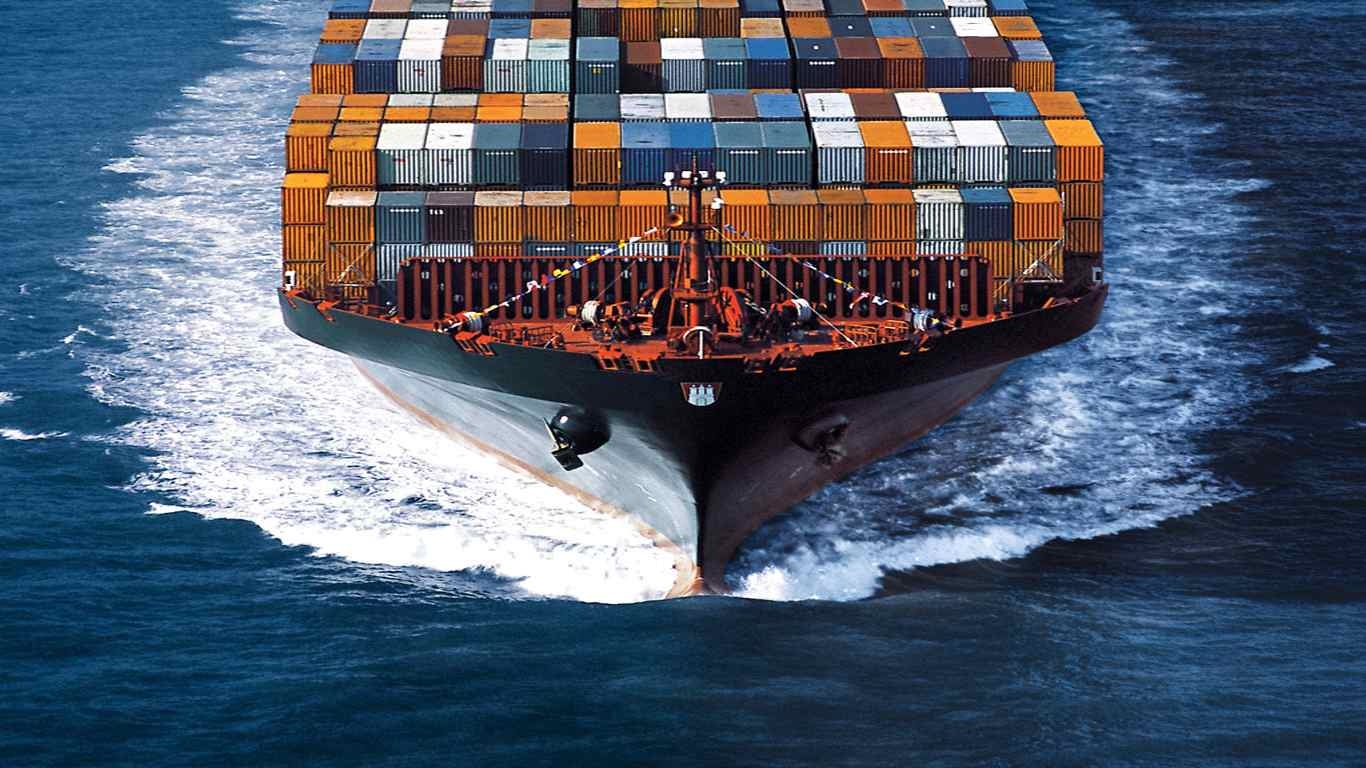
For businesses involved in international trade, understanding Ocean Freight Rates Singapore is essential for effective logistics planning and cost management. Ocean freight remains one of the most practical transportation methods for moving large volumes of goods, industrial equipment, machinery, and project cargo between Singapore and international markets.
Singapore’s strategic location and world-class maritime infrastructure make it a major hub for global shipping. Businesses can use Singapore’s extensive shipping connections to transport cargo throughout Asia, Europe, the Middle East, Australia, and other international destinations.
However, ocean freight rates are not fixed. Shipping costs can change depending on cargo volume, container type, destination, shipping route, fuel costs, seasonal demand, port charges, documentation, and additional services. Working with an experienced freight forwarding company can help businesses understand these factors and select a suitable shipping solution.
Trans Global (S) Pte Ltd provides comprehensive ocean freight and logistics solutions for businesses requiring reliable international cargo transportation. From FCL and LCL shipments to oversized machinery and project cargo, Trans Global (S) Pte Ltd helps customers coordinate shipping, documentation, customs clearance, warehousing, and related logistics requirements.
What Are Ocean Freight Rates?
Ocean freight rates are the transportation charges associated with moving cargo by sea from one port to another. The final cost can include several components depending on the shipment and service requirements.
Common cost components may include:
- Basic ocean freight
- Container charges
- Terminal handling charges
- Documentation fees
- Customs-related charges
- Port charges
- Inland transportation
- Warehousing
- Cargo insurance
- Special handling fees
- Surcharges
Therefore, the quoted ocean freight rate should be evaluated as part of the total logistics cost, rather than considered in isolation.
What Factors Affect Ocean Freight Rates in Singapore?
Several factors can influence the cost of ocean freight.
1. Shipping Destination
The distance between Singapore and the destination port can significantly affect transportation costs. Different trade lanes have different carrier rates and operational requirements.
2. Container Type
The type and size of container required can affect the freight cost.
Common options include:
- 20-foot containers
- 40-foot containers
- High-cube containers
- Specialized containers
For oversized or unusual cargo, special equipment may be required.
3. FCL vs LCL
FCL (Full Container Load) means the customer uses an entire container for their shipment.
LCL (Less than Container Load) allows cargo from multiple customers to share container space.
The appropriate option depends on cargo volume, shipment frequency, budget, and delivery requirements.
4. Cargo Weight and Dimensions
Heavy or oversized cargo may require specialized handling, equipment, or transportation arrangements, which can increase the overall logistics cost.
5. Fuel and Carrier Surcharges
Changes in fuel prices, carrier operating costs, and other market conditions can affect ocean freight charges.
6. Seasonal Demand
Shipping demand can increase during peak trading periods, potentially affecting available capacity and freight rates.
7. Port and Terminal Charges
Origin and destination ports may apply various handling and terminal-related charges that contribute to the overall shipping cost.
8. Inland Transportation
The final cost may also include transportation between the port and the customer’s warehouse, factory, or project site.
FCL Ocean Freight Services Singapore
Full Container Load shipping is suitable when a business has enough cargo to efficiently use a complete container.
FCL can be suitable for:
- Manufacturing goods
- Industrial components
- Machinery
- Commercial products
- Bulk shipments
- Large-volume exports
- Project cargo
Using FCL can provide businesses with dedicated container space and fewer cargo handling points compared with shared-container shipping.
Trans Global (S) Pte Ltd can coordinate FCL shipments as part of its comprehensive freight forwarding services.
LCL Ocean Freight Services Singapore
Less than Container Load shipping is designed for businesses that do not require an entire container.
LCL allows multiple shipments to be consolidated into one container, making it a practical option for smaller cargo volumes.
LCL can be useful for:
- Small commercial shipments
- Samples
- Spare parts
- Smaller equipment
- Regular low-volume exports
- Import shipments
Businesses should compare LCL costs with FCL options based on cargo volume and total handling charges.
Why Choose Trans Global (S) Pte Ltd for Ocean Freight?
Choosing the right freight forwarding partner can make international shipping easier and more efficient.
Trans Global (S) Pte Ltd provides integrated ocean freight solutions designed around individual cargo requirements.
International Freight Forwarding
The company coordinates ocean transportation with international logistics partners to support shipments between Singapore and global destinations.
FCL and LCL Solutions
Businesses can select full-container or consolidated shipping according to their cargo requirements.
Customs Clearance Support
International shipping involves detailed import and export documentation. Professional logistics support helps ensure documentation is prepared and cargo moves through customs efficiently.
Land Transportation
Ocean freight often requires transportation between the port, warehouse, factory, and final delivery location. Integrated land transport helps simplify this process.
Warehousing
Warehousing solutions can support temporary storage, cargo consolidation, distribution, and shipment preparation.
Project Cargo
For oversized and heavy industrial equipment, specialized project cargo planning can coordinate sea freight with heavy lifting, land transportation, and other logistics services.
How to Get Competitive Ocean Freight Rates in Singapore
Businesses can take several steps to manage shipping costs effectively.
Compare FCL and LCL
Evaluate cargo volume and calculate the total cost of each option before making a decision.
Plan Shipments in Advance
Early planning can provide more flexibility when selecting sailing schedules and transportation options.
Consolidate Cargo
Combining compatible shipments can improve container utilization and potentially reduce per-unit transportation costs.
Select the Correct Container
Choosing the appropriate container size helps avoid unnecessary space and handling expenses.
Optimize Inland Transport
Coordinating port transportation with warehouse and delivery schedules can reduce unnecessary movements.
Work With a Freight Forwarder
An experienced freight forwarder can coordinate carriers, documentation, customs, transportation, and other logistics requirements.
Ocean Freight for Heavy and Industrial Equipment
Singapore is an important hub for industries that regularly transport heavy machinery and industrial equipment.
Ocean freight can be suitable for equipment such as:
- Generators
- Chillers
- HVAC systems
- Pumps
- Heat exchangers
- Manufacturing machinery
- Semiconductor equipment
- Process plant equipment
- Construction machinery
For oversized cargo, standard containers may not always be appropriate. Specialized project cargo and breakbulk shipping solutions may be required depending on cargo dimensions and destination requirements.
Trans Global (S) Pte Ltd can coordinate transportation requirements with heavy lifting, specialized handling, freight forwarding, and land transportation.
Ocean Freight Process
1. Shipment Assessment
Cargo dimensions, weight, volume, destination, and delivery requirements are reviewed.
2. Freight Planning
The appropriate shipping method, container type, and transportation route are determined.
3. Booking
Cargo space is arranged with suitable shipping partners.
4. Cargo Collection
Goods are collected from the supplier, factory, or warehouse.
5. Documentation and Customs
Required shipping and customs documentation is prepared and processed.
6. Port Handling
Cargo is delivered to the relevant port for loading.
7. Sea Transportation
The shipment is transported to the destination port.
8. Destination Handling
Cargo is processed through destination procedures and prepared for final delivery.
9. Final Delivery
Land transportation moves the shipment from the destination port to the required warehouse, factory, or project site.
Benefits of Ocean Freight
Cost-Effective for Large Shipments
Sea freight is generally well suited to transporting high-volume cargo.
Global Connectivity
Singapore’s position as a major maritime hub provides access to numerous international trade routes.
Suitable for Heavy Cargo
Ocean transportation can accommodate many types of industrial and oversized cargo.
Flexible Shipping Options
FCL, LCL, and specialized project cargo solutions provide flexibility for different shipment requirements.
Lower Environmental Impact Per Unit
For large-volume shipments, ocean transportation can be an efficient mode in terms of cargo moved relative to transportation resources.
Frequently Asked Questions
What determines ocean freight rates in Singapore?
Rates can depend on destination, container type, cargo volume, weight, fuel costs, seasonal demand, port charges, carrier surcharges, and additional logistics services.
Is FCL cheaper than LCL?
Not necessarily. The better option depends on cargo volume and the total cost of transportation, handling, consolidation, and delivery.
Can Trans Global (S) Pte Ltd handle oversized cargo?
Yes. Trans Global (S) Pte Ltd provides project cargo and heavy equipment logistics solutions that can support oversized and industrial cargo transportation.
Does ocean freight include door-to-door delivery?
Ocean freight itself generally covers port-to-port transportation. Door-to-door logistics may additionally include land transportation, customs clearance, warehousing, and final delivery.
How can businesses reduce ocean shipping costs?
Businesses can optimize container utilization, compare FCL and LCL, plan shipments in advance, consolidate compatible cargo, select suitable routes, and work with an experienced freight forwarding partner.
Conclusion
Understanding Ocean Freight Rates Singapore is essential for businesses that want to manage international shipping costs effectively. Freight rates can vary according to destination, container type, cargo characteristics, market conditions, port charges, and additional logistics requirements.
Rather than focusing only on the base ocean freight charge, businesses should consider the complete cost of transportation, including documentation, customs, port handling, inland delivery, warehousing, and special cargo requirements.
Trans Global (S) Pte Ltd provides comprehensive ocean freight and logistics services, including FCL, LCL, freight forwarding, customs clearance support, land transportation, warehousing, and project cargo solutions. With integrated logistics capabilities and international freight expertise, Trans Global (S) Pte Ltd helps businesses move cargo from Singapore to global destinations with greater efficiency, reliability, and cost control.