
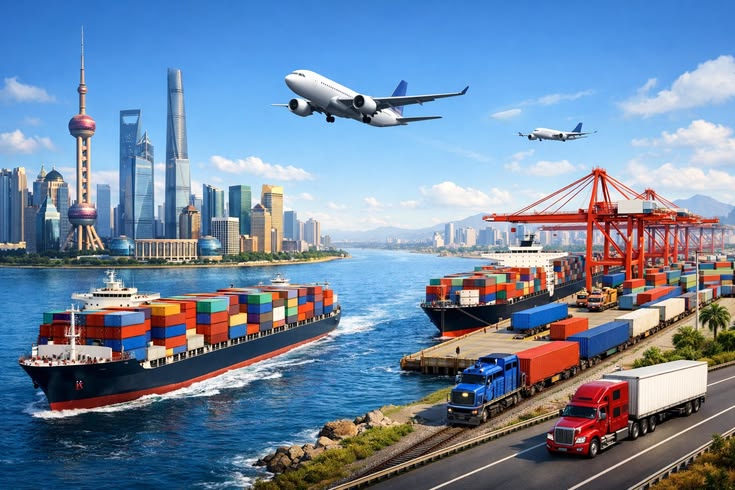
In today’s global economy, international freight shipping is the backbone of cross‑border trade. As one of Asia’s leading logistics hubs, Singapore plays an essential role in connecting businesses to markets around the world. Whether you’re a small exporter, a large manufacturer, or an e‑commerce seller, understanding international freight shipping Singapore is crucial to streamline your supply chain and reduce costs.
This guide explains what international freight shipping is, why Singapore is strategically positioned for global logistics, key transport modes, how to choose the right freight partner, and how can support your business with reliable, cost‑effective shipping solutions.
What Is International Freight Shipping?
International freight shipping refers to the transportation of goods across international borders through air, sea, road, or rail. Unlike domestic delivery, international freight involves regulatory compliance, customs processes, global documentation standards, and supply chain coordination in multiple countries.
The main objectives of international freight shipping are:
- Efficient transit of goods from origin to destination
- Cost management and optimization
- Import/export compliance
- Security and cargo protection
- Supply chain visibility and tracking
In Singapore, freight shipping demands experience in customs clearance, multimodal transport coordination, and partnerships with global carriers.
Why Singapore Is a Global Freight Hub
Singapore is consistently ranked among the world’s most competitive logistics markets. Its strategic geographic location at the crossroads of major shipping routes positions it as a gateway between the East and West.
Here’s what makes Singapore an ideal base for international freight shipping:
1. Strategic Location
Situated along one of the busiest maritime trade routes, Singapore offers direct connections to major markets in Asia, Europe, the Americas, Africa, and the Middle East.
2. Modern Transport Infrastructure
Singapore’s deep‑water ports and world‑class airport (Changi Airport) support high freight volumes, fast turnaround times, and advanced cargo handling systems.
3. Global Connectivity
Ocean carriers and airlines operate frequent services, providing excellent international coverage and flexible routing options.
4. Business‑Friendly Environment
Pro‑trade policies, free trade agreements, and a transparent regulatory framework make Singapore attractive for international commerce.
Together, these advantages allow freight forwarders and businesses to reduce transit times, improve reliability, and scale operations globally.
Modes of International Freight Shipping
International freight shipping typically involves three primary transport modes:
1. Sea Freight Shipping
Sea freight is the most widely used mode for international freight due to its cost efficiency for large and heavy cargo.
Benefits of Sea Freight Shipping in Singapore:
- Lower cost per kilogram compared to air freight
- Ideal for full container load (FCL) and less than container load (LCL)
- Eco‑friendly and suitable for non‑urgent bulk cargo
Considerations:
- Longer transit times than air transport
- Seasonal port congestion (can be mitigated with planning)
Ocean freight is often paired with inland transport for end‑to‑end delivery.
2. Air Freight Shipping
Air freight is the fastest mode of international freight shipping, especially for urgent or high‑value goods.
Benefits of Air Freight:
- Fast international delivery
- Ideal for perishable or time‑critical shipments
- High reliability and frequent flight schedules
Considerations:
- Higher cost than sea freight
- Weight and size limitations
Air freight from Singapore extends to global destinations with excellent carrier options and efficient customs processing.
3. Multimodal and Intermodal Shipping
In many cases, international freight combines two or more transport modes. This integrated approach offers better flexibility and optimized costs, especially for complex supply chains.
For example:
- Sea + truck transport
- Air + rail delivery in inland markets
- Combined door‑to‑door services leveraging technology
Key Components of International Freight Shipping
Successful freight shipping from Singapore requires mastery of several critical processes:
Customs Clearance
Customs protocols differ by country, and non‑compliance can delay shipments or lead to penalties. Singapore’s freight forwarders help prepare and submit:
- Commercial invoices
- Packing lists
- Certificates of origin
- Import/export permits
Efficient customs clearance accelerates delivery and improves predictability.
Documentation and Compliance
International freight involves complex paperwork. These include:
- Bill of Lading (B/L) or Air Waybill (AWB)
- Insurance certificates
- Hazardous goods declarations (if applicable)
Proper documentation supports regulatory compliance and reduces disputes.
Cargo Insurance
Protecting your goods against loss, damage, or theft during transit is critical. Marine cargo insurance and air cargo insurance policies can be tailored to:
- Full value coverage
- Specific risk scenarios
- High‑value goods
A reputable freight partner can help you obtain suitable insurance.
Tracking and Visibility
Modern freight services include digital tracking systems so you can monitor shipments in real time. Transparency across the supply chain enables:
- Predictive delivery dates
- Exception management
- Fast problem resolution
How to Choose a Reliable Singapore Freight Forwarder
Selecting the right freight forwarder can make all the difference in global shipping performance. Here are the key criteria:
1. Global Network and Partnerships
A strong logistics partner should have connections with carriers, agents, and customs officials worldwide. They should be able to handle shipments from Singapore to any major economic zone.
2. Experience and Expertise
Freight regulations constantly evolve. Choose a forwarder with years of experience navigating:
- International customs requirements
- Security protocols
- Packaging and handling needs
3. Technology and Tracking Tools
Look for digital platforms that provide:
- Shipment tracking
- Documentation management
- Automated alerts
These tools improve visibility and reduce manual errors.
4. Competitive Pricing and Transparent Fees
International freight shipping involves multiple cost components:
- Freight charges
- Customs duties and taxes
- Terminal handling
- Insurance premiums
A reputable forwarder provides detailed quotes and avoids hidden charges.
5. Customer Support
Responsive customer service ensures problems are addressed before they escalate. Whether you need routing updates, documentation help, or freight advice, support should be timely and knowledgeable.
Why Companies Trust for Freight Shipping
When it comes to international freight shipping Singapore, stands out as a trusted logistics partner with decades of experience supporting global trade.
Here’s how they elevate your shipping experience:
🌐 Comprehensive Global Coverage
With strong international networks and carrier partnerships, they serve all major trade lanes with reliable sea, air, and multimodal freight solutions.
📦 End‑to‑End Logistics Solutions
From origin pickup to final delivery, including customs clearance and documentation, handles every step with precision.
🚚 Tailored Shipping Services
Whether you’re shipping FCL, LCL, air cargo, or special commodities, they design logistics plans based on your business needs and budget.
📊 Advanced Tracking and Reporting
Clients get real‑time shipment visibility, automated notifications, and easy access to documentation through secure digital platforms.
💼 Expertise in Compliance and Customs
Their logistics professionals ensure smooth cross‑border movement, minimizing delays and avoiding unnecessary penalties.
Tips to Reduce Costs and Improve Efficiency
To get the most out of international freight shipping from Singapore:
- Plan shipments early to avoid premium last‑minute pricing.
- Consolidate cargo when possible to reduce per‑unit costs.
- Leverage flexible routing for seasonal demand and capacity shifts.
- Negotiate long‑term contracts with carriers for volume discounts.
- Use technology for forecasting and inventory synchronization.
Final Thoughts
International freight shipping from Singapore is a competitive, complex, and rewarding business essential for global trade. By choosing the right shipping partner and understanding key logistics elements, companies can optimize their supply chains, control costs, and expand their international footprint.