
In the modern era of lightning-fast networking, the traditional paper business card is rapidly becoming a relic of the past. As we move toward a more sustainable and tech-integrated professional landscape, the way we exchange contact information must evolve to keep pace. Choosing a dedicated digital business card company allows professionals to bridge the gap between physical meetings and digital follow-ups. By utilizing a platform that prioritizes seamless integration and user experience, you ensure that your first impression is not only memorable but also functional, lasting long after the initial handshake has ended.
The Pulse of Modern Commerce: Why Air Freight Matters
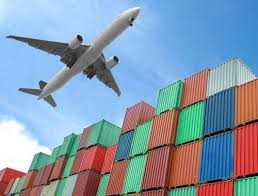
Just as professional networking has shifted from static physical cards to dynamic digital profiles, the landscape of global logistics has undergone a radical transformation. For decades, maritime transport was the undisputed king of long-distance trade. However, in the high-speed economy of 2026, the focus has pivoted toward velocity and precision. Modern enterprises and high-growth startups are no longer satisfied with the thirty-day lead times associated with ocean transit; they demand “Just-in-Time” solutions that keep inventory lean and customer satisfaction high.
This shift represents a deeper commitment to operational agility. In an era where consumer trends change in the blink of an eye and high-value components—like semiconductors or specialized medical equipment—are in constant demand, air freight has evolved from a luxury “emergency” option to a strategic necessity. It is the backbone of a global supply chain that refuses to slow down, supporting critical sectors ranging from high-fashion retail to aerospace manufacturing.
Decoding Air Freight Forwarders Services: Beyond the Flight
In an interconnected economy where the speed of data and the movement of physical goods must be perfectly synchronized, the strategic advantages of a specialized logistics partner are more relevant than ever. When international firms or local manufacturers evaluate the capabilities of professional air freight forwarders services, such as the bespoke solutions offered by Transglobal, they are accessing a sophisticated ecosystem of carrier-grade connectivity and regulatory expertise.
Many businesses mistakenly view air freight as simply “buying a ticket for a box.” In reality, the third paragraph of a robust global logistics strategy must focus on “Integrated Door-to-Door Infrastructure,” where the primary goal is to ensure that a shipment doesn’t just reach the airport, but clears customs and hits the warehouse floor without a single hour of unnecessary latency. This specialized field requires an intimate mastery of “Uplift Capacity”—ranging from the management of Block Space Agreements (BSAs) with major airlines to the implementation of redundant routing pathways through global hubs like Singapore’s Changi Airport.
By employing cutting-edge real-time tracking and multi-stage security protocols, leading forwarders ensure that the exact cargo intended for a client is handled with exceptional care. This meticulous attention to detail ensures that the final delivery is not merely a transport task, but a vital element of a high-functioning, resilient supply chain that can withstand global disruptions.
The Core Pillars of Professional Air Logistics
To truly understand the value of a freight forwarding partner, one must look at the specific service layers that happen behind the scenes. It isn’t just about the airplane; it’s about the architecture of the move.
1. Customs Brokerage and Regulatory Compliance
One of the most significant hurdles in international trade is the “Paperwork Wall.” In 2026, customs regulations are more complex than ever, involving strict HS Code classifications and digital declarations. A professional forwarder acts as a shield, ensuring that all duties are calculated correctly and all permits are in place before the cargo even touches the tarmac. This prevents costly “Demurrage” charges and legal complications that can stall a business’s growth.
2. Specialized Cargo Handling (Cold Chain and Oversized)
Not all cargo is created equal. Some require a “Cold Chain” environment to keep pharmaceuticals or perishables at a precise temperature, while others are “Out-of-Gauge” (OOG) equipment that requires chartered freighter space. Expert air freight services provide the specialized packing, dry ice replenishment, and heavy-lift coordination necessary to move sensitive or massive items safely across continents.
3. Consolidations and Cost Optimization
For smaller businesses, “Chartering” an entire plane is rarely feasible. This is where the art of consolidation comes in. By grouping multiple smaller shipments into a single “Master Air Waybill,” forwarders can pass on bulk-buy savings to their clients. This makes the speed of air freight accessible even for mid-sized enterprises that need to compete on a global stage.
The “Singapore Advantage” in Global Air Freight
Operating out of a global logistics nexus like Singapore provides a unique set of advantages. As a premier hub, the region offers unparalleled connectivity to both East and West. A Singapore-based forwarder doesn’t just ship goods; they navigate a network that includes the world’s best-rated airport and a highly efficient Free Trade Zone (FTZ) system.
In 2026, this means that goods can be transshipped from sea to air in record time—a process known as “Sea-Air Multimodal Transport.” This hybrid approach offers the best of both worlds: the cost-savings of ocean freight for the long haul, combined with the speed of air freight for the final leg of the journey. For businesses looking to optimize their “Cost-per-Kilo,” this strategic flexibility is a game-changer.
Sustainability and the Future of Aviation Logistics
As we look toward the latter half of the decade, the conversation around air freight has shifted toward sustainability. Leading forwarders are now integrating Sustainable Aviation Fuel (SAF) credits and carbon-offsetting programs into their service portfolios. For modern brands, the “Carbon Footprint” of their logistics is a key part of their corporate social responsibility. Partnering with a forwarder that prioritizes “Green Routes” and efficient load factors is no longer just an ethical choice—it’s a requirement for staying relevant to the conscious consumer of 2026.
The Role of Technology: AI and Real-Time Visibility
The “Invisible Hand” of modern air freight is Artificial Intelligence. Today, forwarders use predictive analytics to anticipate peak season surcharges and weather-related delays. This allows them to reroute cargo before a bottleneck even forms. Furthermore, “End-to-End Visibility” has moved from a premium feature to a standard expectation. Clients now expect a digital dashboard where they can see their cargo’s altitude, temperature, and estimated time of arrival (ETA) in real-time, all via a secure API.
Conclusion: Elevating Your Business Potential
Selecting the right air freight partner is a strategic investment in the longevity and reach of your brand. It is about more than just moving boxes from Point A to Point B; it is about building a bridge of trust that spans oceans and time zones. By prioritizing technical precision, regulatory compliance, and a “Customer-First” philosophy, you ensure that your business remains resilient, connected, and highly competitive in a demanding global marketplace.